What Happens If You Apply Ceramic Coating Over Swirl Marks in Ceramic Coating Denver?
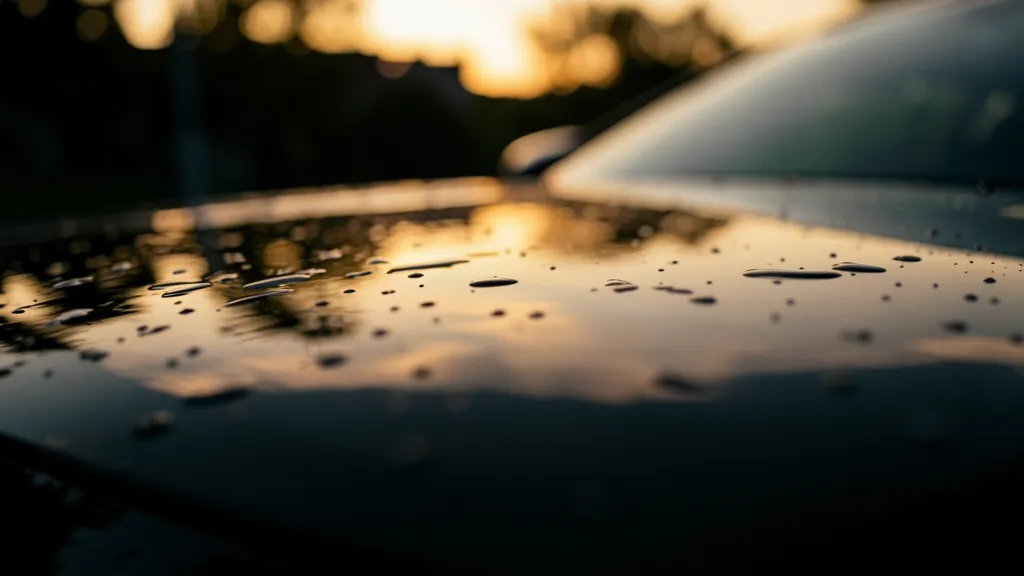
Applying ceramic coating over swirl marks is like sealing a dirty window—it locks in the flaws. In Denver’s high-altitude sun and harsh winters, those imperfections won’t just stay visible; they’ll worsen under the coating’s permanent bond. We’ll explain why paint correction is non-negotiable before any ceramic application, and how we ensure a mirror-finish base for coatings that last.
Why Swirl Marks Ruin a Ceramic Coating’s Potential
Ceramic coatings bond permanently to your clear coat. If swirl marks exist, the coating locks them in, amplifying their appearance under direct sunlight—common in Denver’s 300+ sunny days.
Swirls also create micro-edges that trap dirt and water, defeating the coating’s hydrophobic properties. Over time, these areas erode faster, leading to premature failure.
The Science: How Ceramic Coatings Interact With Damaged Paint
Ceramic coatings form a covalent bond with the clear coat’s silica. Swirl marks are essentially scratches in that layer, so the coating adheres to the *damaged* surface, not a smooth one.
In Denver’s dry climate, uncorrected swirls also accelerate oxidation. The coating can’t stop UV rays from degrading the compromised clear coat beneath it.
Once a ceramic coating cures over swirls, removing it to fix the paint requires wet-sanding the coating off—a labor-intensive, costly process.
Paint Correction: The Only Solution Before Coating
Paint correction involves machine polishing to remove swirls, holograms, and other defects down to the clear coat’s true depth. We use a dual-action polisher with progressively finer compounds and polishes.
Denver’s mineral-heavy water and road grit make swirls a recurring issue. Correction ensures the coating adheres to a pristine surface, maximizing durability and gloss.
Paint Correction vs. Ceramic Coating: What’s the Difference?
Paint correction is a *restorative* process that removes imperfections. Ceramic coating is a *protective* layer that enhances and preserves the corrected finish.
| Aspect | Paint Correction | Ceramic Coating |
|---|---|---|
| Purpose | Remove defects (swirls, scratches, oxidation) | Protect and enhance corrected paint |
| Process | Machine polishing with compounds/polishes | Application of liquid polymer that cures into a hard layer |
| Duration | Temporary (requires maintenance) | Long-term (2-5+ years with proper care) |
| Effect on Swirls | Eliminates them | Locks them in if not corrected first |
| Denver-Specific Benefit | Restores clarity after sun/grit damage | Shields against UV, salt, and altitude-related contaminants |
Can You Coat Over *Minor* Swirls? The Risks Outweigh the Rewards
Some detailers claim light swirls can be ‘filled’ by the coating’s thickness. In reality, ceramic coatings are *not* fillers—they’re clear, hard layers that magnify underlying flaws.
In areas like Lakewood or Aurora, where dust and pollen are constant, even minor swirls will show through the coating’s glossy finish, especially under halogen or LED headlights at night.
If swirls are visible from 5 feet away in direct light, they’ll be *more* visible after coating. Always correct first.
The Step-by-Step Process We Use in Denver
Every vehicle gets a thorough wash and decontamination to remove embedded grit. Then we measure paint thickness to ensure safe correction depths—critical for older or repainted vehicles common in Commerce City.
We perform a test spot to determine the right compound/polish combo. Denver’s thin, dry air can cause polishes to dry faster, so we adjust our techniques accordingly.
How to Tell If Your Paint Needs Correction Before Coating
Run your fingernail across the swirl. If it catches, the defect is deep enough to require correction. Shallow swirls may only be visible in certain light but still need addressing.
Use a paint depth gauge. Readings below 4 mils on a door jamb mean the clear coat is too thin for aggressive correction—common in Wheat Ridge’s older fleet vehicles.
Signs Your Paint Needs Correction
- Visible swirls or spider-webbing under sunlight or shop lights
- Dull or hazy appearance, even after washing
- Rough texture when running a clean microfiber towel over the surface
- Water spots or etching from Denver’s hard water
Long-Term Costs of Skipping Correction in Denver’s Climate
Denver’s temperature swings (from 90°F summers to sub-zero winters) cause paint to expand and contract. Swirls under a coating become stress points, leading to cracking or peeling over time.
Salt and magnesium chloride used on roads in Englewood and beyond will exploit any weakness in the clear coat. A properly corrected and coated surface resists these contaminants far better.
How to Prep Paint for Ceramic Coating Like a Pro
Proper prep is 90% of a flawless ceramic coating result—here’s how we do it for Denver vehicles.
- 1Deep Clean and Decontaminate
Wash with a pH-neutral shampoo, then use a clay bar or iron remover to pull embedded contaminants from the clear coat. Denver’s road film requires this step to avoid marring during polishing.
- 2Inspect and Measure Paint Depth
Use a paint thickness gauge to check clear coat depth in multiple areas. Thin spots (common on hoods and roofs due to sun exposure) may need gentler correction methods.
- 3Test Spot Polishing
Choose a small, hidden area to test your compound and polish combination. Adjust based on the swirl severity and paint hardness—softer clear coats (common on Asian models) polish faster.
- 4Full Vehicle Correction
Work in sections with a dual-action polisher, starting with a cutting compound for deep swirls, then refining with a fine polish. Use a high-quality LED light to check for missed defects.
- 5Final Wipe-Down and Inspection
Use an IPA solution to remove polishing oils and residues. Inspect under multiple light sources to ensure no swirls, holograms, or buffer trails remain.
Frequently Asked Questions
Can ceramic coating remove swirl marks in Denver?
No. Ceramic coatings are protective, not restorative. They’ll preserve whatever condition the paint is in when applied—swirls included. Paint correction is the only way to remove them before coating.
How much does it cost to correct swirls before ceramic coating in Ceramic Coating Denver?
Costs vary based on vehicle size, swirl severity, and paint condition. A full correction on a heavily swirled SUV in Aurora will take longer than a light polish on a well-maintained sedan in Lakewood. Request a quote for an accurate estimate.
Will ceramic coating make swirl marks worse over time?
Yes. The coating’s hardness and hydrophobic properties can make swirls more noticeable as dirt and water cling to the uneven surface. In Denver’s dry air, this effect is amplified.
Is paint correction necessary for new cars before ceramic coating?
Often, yes. Even new cars from dealerships in Commerce City or Englewood can have swirls from transportation, washing, or dealer prep. A light polish ensures a perfect base for the coating.
Can I apply ceramic coating myself after correcting swirls?
While DIY correction is possible, ceramic coating application requires precision—especially in Denver’s low humidity, which can cause the product to flash (dry) too quickly. Improper application leads to streaks, high spots, or poor bonding.
What’s better for swirl marks: Paint Protection Film or ceramic coating?
Paint Protection Film (PPF) is the superior choice for swirl-prone areas like hoods and bumpers, as it physically absorbs scratches. However, PPF can be combined with ceramic coating for ultimate protection—PPF on high-impact areas and coating on the rest of the vehicle.